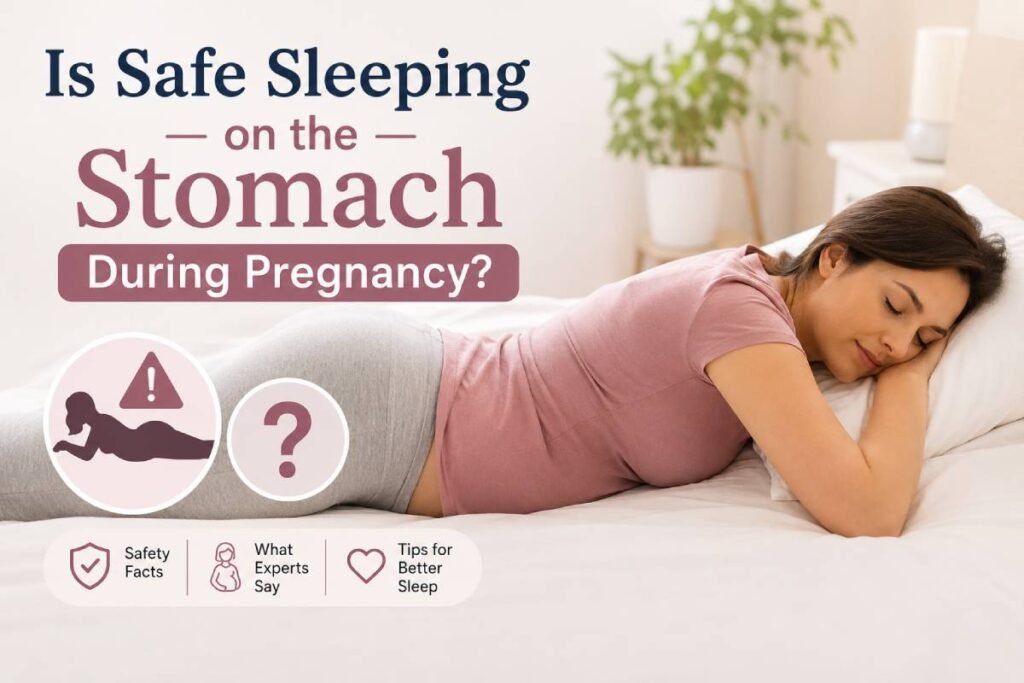
Millions of pregnant women ask the same question every night: Can you sleep on your stomach while pregnant, or is it dangerous? It is one of the most common sleep worries during pregnancy, and for good reason. Sleep position affects not just comfort, but the health of both mother and baby.
The honest answer is that it depends entirely on how far along the pregnancy is. Understanding what is safe at each stage helps mothers rest better and worry less. This guide walks through everything you need to know, trimester by trimester.
Why Sleep Matters So Much During Pregnancy
Before diving into positions, it is worth understanding why sleep quality during pregnancy carries more weight than at any other time in your life. Getting enough restful sleep supports your immune system, stabilizes your mood, and regulates blood sugar. Research has linked poor sleep during pregnancy to a higher risk of gestational diabetes and preeclampsia two serious complications that affect both mother and baby. Sleep deprivation has also been associated with longer labor times and a higher likelihood of cesarean delivery.
Beyond these risks, sleep quality directly affects core sleep. The deep and REM stages that matter most for physical recovery and hormonal balance. Poor positioning does not just cause discomfort. It can cut these restorative stages short night after night.
In short, how you sleep during pregnancy is not a minor detail. It is one of the most important habits to get right.
Sleeping Positions During Pregnancy: What Changes?
As the belly grows, finding a comfortable sleeping position becomes progressively harder. The body needs more support at night, and positions that felt perfectly natural before pregnancy start to cause pressure, discomfort, or disrupted sleep.
The two positions that become problematic during pregnancy are stomach sleeping and back sleeping, for very different reasons. Understanding why helps you make smarter choices at each stage.
Can You Sleep on Your Stomach While Pregnant?
Here is a trimester-by-trimester look at what is safe, what to watch for, and when to make the switch.
First Trimester (Weeks 1–12)
During the early stages of pregnancy, sleeping on your stomach is generally safe. The uterus is still small and well-protected within the pelvic bones, so there is no meaningful pressure on the baby.
That said, breast tenderness, one of the earliest pregnancy symptoms, often makes stomach sleeping feel uncomfortable on its own. Many women naturally shift positions during this trimester without any conscious effort.
Second Trimester (Weeks 13–28)
As you move into the second trimester, the uterus begins to rise out of the pelvis, and the belly becomes more pronounced. Around weeks 16 to 20, stomach sleeping starts to feel physically uncomfortable for most women. Lying flat on the abdomen puts pressure on the growing uterus and may feel like sleeping on a small ball.
This is the ideal time to begin practicing side sleeping and to experiment with a pregnancy pillow. Making the switch gradually now is far easier than being forced into it suddenly in the third trimester.
Third Trimester (Weeks 29–40)
In the third trimester, sleeping on your stomach is not recommended. The uterus is now large enough that lying face-down creates direct pressure on the baby and on the major blood vessels running alongside the spine. Most women find it physically impossible to maintain this position comfortably anyway by this stage.
If you accidentally wake up on your stomach during the night, there is no need to panic. See the dedicated section below for reassurance.
Why Sleeping on Your Back During Pregnancy Is Also Risky
Many women switch from stomach sleeping to back sleeping, assuming it is the safer alternative. It is not, especially from the second trimester onward.
When you lie flat on your back during pregnancy, the combined weight of the baby and uterus presses directly onto the inferior vena cava, the large vein that carries blood from the lower body back to the heart. Compressing this vessel reduces blood flow to both the heart and the placenta.
Research has made the back-sleeping risk more concrete than most people realize. Six case-control studies have investigated the link between maternal sleep position and stillbirth. All six found a significant association. The largest of these, the Midlands and North of England Stillbirth Study (MiNESS), published in the British Journal of Obstetrics and Gynaecology, found that going to sleep on the back in the third trimester was associated with a doubled risk of late stillbirth.
Researchers believe several mechanisms may be involved:
- The baby and uterus compress the main blood vessels supplying the uterus, restricting oxygen flow to the baby and placenta.
- Studies have shown that when a pregnant woman lies on her back in late pregnancy, the baby tends to be less active and shows changes in heart rate patterns, thought to reflect lower oxygen levels.
If you experience dizziness, shortness of breath, or nausea while lying flat, these are warning signs to change position immediately.
Important note on risk perspective: If your pregnancy is uncomplicated, your baseline risk of stillbirth is low. Going to sleep on your side makes that already-low risk even lower. The goal is not to create anxiety. It is to give you information that empowers a simple, effective habit change.
The Best Sleeping Position During Pregnancy
Side sleeping is the gold standard
Side sleeping is the safest and most recommended position throughout pregnancy. It keeps the weight of the uterus off the major blood vessels, supports healthy blood flow to the placenta, and puts less strain on your back and hips.
Left side vs right side: what the research actually says
You have probably heard that the left side is the best. There is some truth to this: sleeping on the left side takes pressure off the liver (which sits on the right), and supports optimal kidney function, which helps reduce swelling in the legs and feet.
However, it is important to be accurate about what the research does and does not show. The MiNESS study and subsequent trials have not found a statistically significant difference between the left and right sides when it comes to stillbirth risk. The key finding is that side sleeping in general, either side is what protects against the back-sleeping risk.
The practical takeaway: start the night on your left side if you can, but do not stress if you wake up on your right. Either side is far safer than your back.
Daytime naps count too
This is a detail many articles miss entirely. The third-trimester side-sleeping guidance applies to daytime naps as well as nighttime sleep. If you rest during the day, start on your side just as you would at night.
What If You Accidentally Wake Up on Your Back or Stomach?
This is one of the most anxiety-inducing moments for pregnant women, and it deserves a clear, reassuring answer.
If you wake up on your back or stomach, do not panic. We cannot fully control our position during sleep. The research on sleep position and stillbirth risk focuses on the position you go to sleep in, not every position you drift through during the night.
If you wake up on your back, it is likely that discomfort itself woke you up, meaning you probably were not in that position for long. Simply roll onto your side, get comfortable, and go back to sleep. The same applies to accidentally ending up on your stomach.
The goal is awareness and intention, not perfection.
How to Stay on Your Side While Sleeping
Knowing you should sleep on your side is one thing. Actually staying there through the night is another. Here are practical strategies that work:
- Place a firm pillow behind your back. It will not prevent back-sleeping with certainty, but it makes rolling onto your back uncomfortable enough that most women wake up and correct their position naturally.
- Use a pregnancy pillow. C-shaped and U-shaped pregnancy pillows wrap around the body and support the belly, back, and knees simultaneously. Many women report that this single change transforms their sleep quality.
- Place a pillow between your knees. This aligns the hips, reduces lower back pressure, and makes side sleeping significantly more comfortable to sustain.
- Tie your hair in a low bun. This one sounds unusual, but it works: a low bun makes lying on your back physically uncomfortable, which prompts a natural position shift during the night.
- Try a rolled blanket or towel behind you if you do not have a pregnancy pillow yet; it provides a similar back-stop effect.
Managing Sleep Challenges by Trimester
Heartburn and acid reflux
Heartburn is extremely common during pregnancy and is one of the leading causes of disrupted sleep, especially in the second and third trimesters. The growing uterus puts pressure on the stomach, and pregnancy hormones relax the valve between the stomach and esophagus.
To reduce nighttime heartburn:
- Avoid heavy meals in the two to three hours before bed.
- Eat smaller, more frequent meals throughout the day rather than three large ones.
- Elevating your upper body slightly, using pillows, or even a slight incline, reduces acid reflux significantly.
- Avoid spicy, fatty, or acidic foods in the evenings.
Restless legs syndrome and sleep apnea
Some women develop restless legs syndrome during pregnancy, an uncomfortable urge to move the legs, especially at night. Others experience worsened or new-onset sleep apnea, particularly if pregnancy-related weight gain has occurred. Both conditions disrupt sleep quality significantly and warrant a conversation with your healthcare provider.
Frequent bathroom trips
Staying well-hydrated throughout the day is important, but front-loading your fluid intake earlier in the day and tapering off in the evening can reduce the number of nighttime bathroom trips.
Tips to Improve Sleep During Pregnancy
Establish a consistent bedtime routine
Your body’s internal clock (circadian rhythm) responds well to predictability. Going to bed and waking up at the same time each day, even on weekends, helps regulate sleep quality. A sleep calculator can help you find your ideal bedtime window. A wind-down routine signals to your body that sleep is coming: a warm bath, a few pages of a book, or a short mindfulness or breathing exercise all help.
Stay active during the day
Regular, moderate exercise supports better sleep and reduces common pregnancy discomforts like back pain and swollen legs. Walking, swimming, and prenatal yoga are widely recommended. Always check with your provider before starting or modifying an exercise routine during pregnancy.
Limit caffeine to 200mg per day, and cut off by the afternoon
During pregnancy, caffeine intake should stay under 200mg per day (roughly one 12-oz coffee). Beyond the general pregnancy guidance, caffeine consumed in the afternoon or evening can significantly delay sleep onset and reduce sleep quality. Switching to caffeine-free alternatives in the afternoon is a simple habit that pays dividends at night.
Reduce screen time before bed
Research consistently shows that blue light from phones, tablets, and TVs suppresses melatonin production and delays sleep. Aim to put screens away at least 30 to 60 minutes before bedtime. Swap the phone for a book, a podcast, or a gentle stretch.
Create a sleep-supportive environment
- Keep the room cool; body temperature rises during pregnancy, and a cooler room promotes deeper sleep.
- Use blackout curtains or an eye mask to block light.
- Consider using a white-noise machine or a fan to block household sounds.
- Reserving the bed for sleep, work, or TV helps your brain associate the space with wakefulness.
Sleep Position and Baby Movements: An Important Connection
One aspect of sleep safety that often goes unmentioned is the relationship between sleep position and your baby’s movements.
Your baby’s movements are one of the clearest signals of their well-being. When a baby is not receiving adequate oxygen or nutrients, they become less active to conserve energy. Research has shown that when a pregnant woman lies on her back in late pregnancy, the baby tends to move less and shows changes in heart rate patterns, effects thought to be related to reduced oxygen levels.
Being aware of your baby’s typical movement patterns from around 28 weeks onward matters. If you notice that your baby is moving less than normal, or that their movements feel weaker, contact your midwife or maternity unit promptly. Do not wait until the next scheduled appointment.
Mental Health and Sleep During Pregnancy
Sleep difficulties during pregnancy are not always just physical. Anxiety about labor, body changes, and the upcoming transition to parenthood can all disrupt sleep, and poor sleep, in turn, worsens anxiety and mood.
Persistent sleeplessness during pregnancy can sometimes be a sign of antenatal depression or anxiety. These conditions are more common than many people realize and are very treatable with the right support. If you are struggling with sleep and it feels connected to worry, low mood, or feeling overwhelmed, speak honestly with your midwife or GP. You are not alone, and support is available.
Sleeping on Your Side With SPD or Pelvic Girdle Pain
Symphysis Pubis Dysfunction (SPD) and Pelvic Girdle Pain (PGP) are conditions that affect many pregnant women and can make side sleeping genuinely painful rather than just uncomfortable.
If you are experiencing significant pelvic or hip pain at night, do not suffer through it. Ask your midwife for a physiotherapy referral. A physiotherapist can provide tailored advice, support aids, and exercises that make side sleeping manageable. There is a real balance to be struck between sleeping in the safest position and getting enough quality sleep, and your provider can help you navigate that.
When to Talk to a Doctor
If sleep becomes a persistent struggle during pregnancy, speak with your healthcare provider rather than trying to manage it alone. Situations that warrant a conversation include:
- Loud snoring or gasping during sleep (possible sleep apnea)
- Persistent creeping or uncomfortable sensations in your legs at night (possible restless legs syndrome)
- Sleep difficulty that feels connected to low mood or persistent anxiety
- Any uncertainty about your baby’s movement patterns
- Significant pain that prevents comfortable side sleeping
Every pregnancy is different. Personalized guidance from a provider who knows your history is always the most reliable source.
Summary: What to Remember About Sleep and Pregnancy
- Stomach sleeping is safe in the first trimester and becomes impractical and inadvisable as the belly grows.
- Back sleeping carries risks from the second trimester onward due to pressure on major blood vessels. Research links back sleeping in the third trimester to an increased risk of stillbirth.
- Side sleeping on either side is the recommended position; both left and right are safe. Left side sleeping has some additional benefits, but the research has not found a meaningful difference between the two sides for stillbirth risk.
- The third-trimester guidance applies to daytime naps as well as nighttime sleep.
- If you wake up on your back or stomach during the night, simply roll onto your side and go back to sleep. Do not panic.
- Practical aids, pregnancy pillows, back-stop pillows, and positional tricks- make sustained side sleeping much easier.
- Sleep quality matters as much as position: manage heartburn, limit caffeine, wind down before bed, and watch for signs of sleep disorders.
- Track your baby’s movements from 28 weeks and report any significant decrease to your midwife promptly.
Frequently Asked Questions
Stomach sleeping and pregnancy is a topic that raises a lot of questions. Many mothers are unsure about what is safe at each stage and what the risks really are. The following questions cover the most common concerns around sleeping positions during pregnancy. These answers are here to clear up confusion quickly and simply.
How long can I sleep on my stomach during pregnancy?
Stomach sleeping is generally comfortable and safe through most of the first trimester. Once the belly begins to grow, usually around weeks 12 to 16, it becomes harder to maintain and is not advisable. Most women make the switch naturally because the position simply stops feeling comfortable.
Can I lay on my stomach in very early pregnancy?
Yes. In the earliest weeks of pregnancy, lying on your stomach is considered safe. The uterus is still tucked within the pelvis and is well protected by the surrounding bones during this phase.
Can I lie on my stomach at 14 weeks pregnant?
At 14 weeks, the belly is just beginning to show, and stomach sleeping may still feel okay for some women. However, many start to find it uncomfortable around this stage as the uterus begins to move upward out of the pelvis. Start transitioning to side sleeping now rather than later.
Is it okay if I accidentally sleep on my stomach while pregnant?
Yes. Accidentally rolling onto your stomach during sleep is not a cause for concern. Your body will usually signal discomfort, prompting a natural position shift. The research on sleep position risk focuses on the position you intentionally go to sleep in, not every position your body drifts through overnight.
How does lying on your stomach affect the baby?
In early pregnancy, lying on your stomach has little to no effect. Later in pregnancy, it can place direct pressure on the uterus and, over an extended period, may reduce blood flow to the baby. The body’s natural discomfort response typically prevents prolonged stomach-lying long before this becomes a serious concern.
When should I stop sleeping on my stomach during pregnancy?
Most doctors and midwives suggest transitioning away from stomach sleeping around weeks 12 to 16. By the second trimester, side sleeping is both safer and more comfortable.
Why is the left side considered the best sleep position during pregnancy?
Sleeping on the left side improves blood flow to the heart and placenta, takes pressure off the liver (which sits on the right side), and supports healthy kidney function, helping to reduce leg swelling. However, research on stillbirth risk has not found a significant difference between the left and right sides. Either side is far better than the back, and switching sides during the night is perfectly fine.
Does the side-sleeping rule apply to daytime naps?
Yes. If you are in your third trimester, start your naps on your side just as you would nighttime sleep. The guidance applies to all sleep periods, not just overnight rest.
What if I wake up on my back? Does that mean my baby is in danger?
Not necessarily. The discomfort of lying on your back while heavily pregnant typically wakes you up relatively quickly, meaning you were probably not in that position for long. Simply roll onto your side and settle back to sleep. The research focuses on the position you go to sleep in, not incidental positioning during the night.
Why shouldn’t you lie on your back when pregnant?
As pregnancy progresses, lying on one’s back places the weight of the uterus directly onto the inferior vena cava. A major vein running alongside the spine. This can restrict blood return to the heart and reduce oxygen delivery to the placenta. Multiple research studies have confirmed a link between back sleeping in the third trimester and increased stillbirth risk.

Stephanie is a dedicated content writer who loves crafting well-researched, reader-friendly articles. With a keen eye for detail and a knack for storytelling, she makes even the most nuanced subjects feel approachable and easy to understand.