
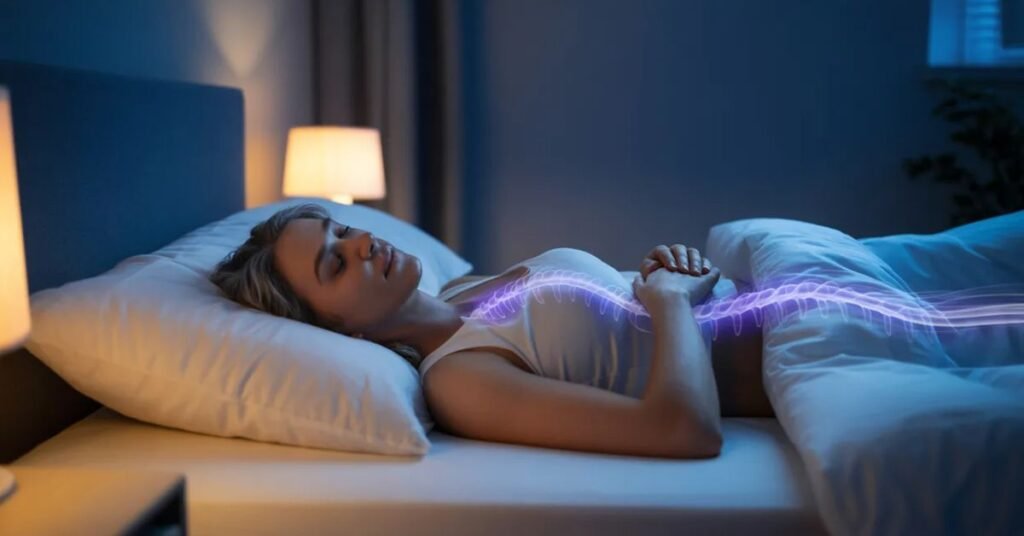
Millions of people lie awake every night. Sciatica pain does not care what time it is. Anyone dealing with sciatica knows the frustration. The moment the body settles in for rest, the burning and tingling start up again. Finding a comfortable sleep position can feel impossible.
The good news is that the right sleep position, combined with a few simple habits, can bring real pain relief. This guide covers everything people with sciatica need to know for a better night’s sleep.
Understanding Sciatica
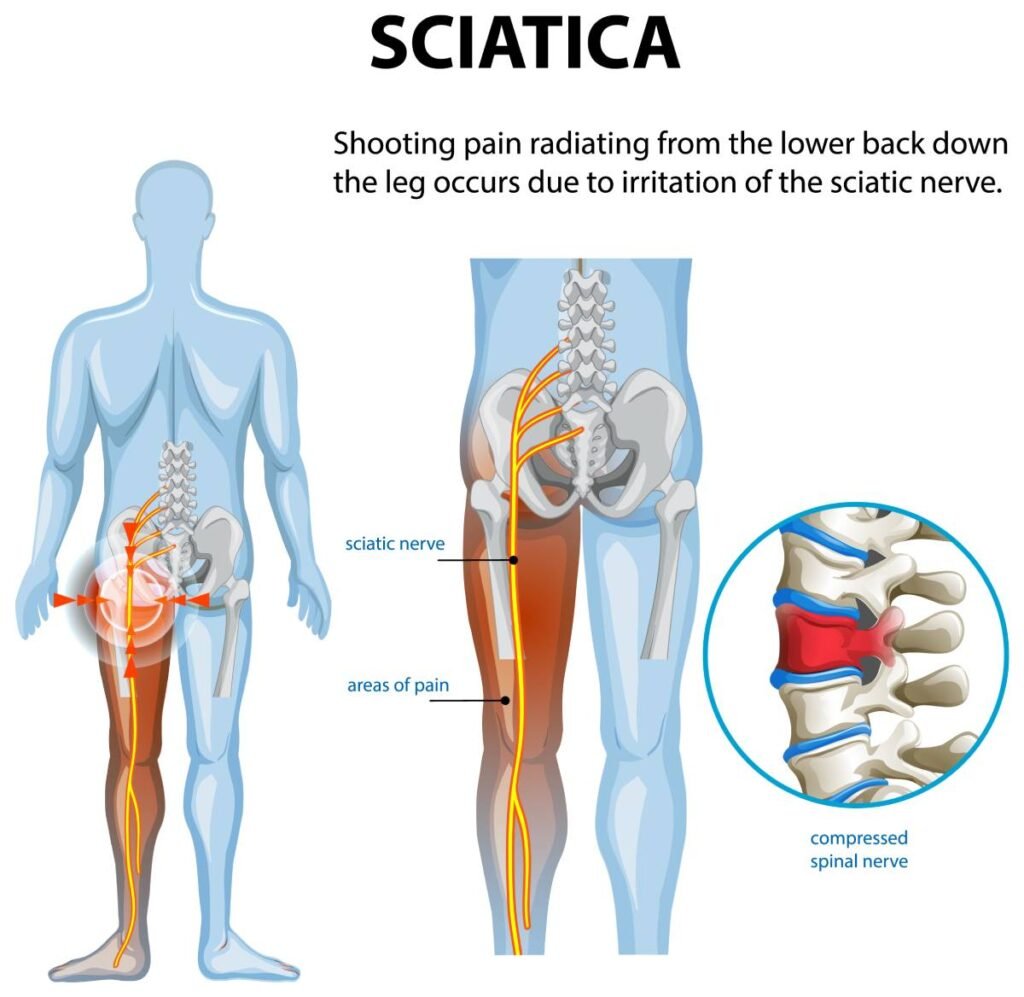
Sciatica is nerve pain that radiates along the path of the sciatic nerve. It branches from the lower back through the hips and buttocks, then down each leg. The sciatic nerve is the longest in the human body. When it becomes compressed or irritated, it causes shooting pain on one side of your body.
Most cases affect only one side. The pain can range from a mild ache to a sharp, burning sensation.
Why Is Sciatica Pain Worse at Night?
Many people notice that sciatica pain gets worse at night. There are real physical reasons behind this. During the day, movement keeps blood flowing around the sciatic nerve. Lying still slows that circulation down. Muscles begin to stiffen, and the nerve feels more pressure. Without daytime distractions, the brain also focuses more on pain signals. Tingling and numbness become much harder to ignore at night.
Inflammation from daily activities also peaks during rest. This makes sciatica pain at night feel especially intense compared to daytime discomfort. Sciatica is not the only condition that demands specific sleep positioning; those recovering from dental procedures face similar challenges, and understanding how to sleep after wisdom teeth removal offers useful parallels in how elevation and positioning can reduce discomfort at night.
How Sleep Position Affects Sciatica
The wrong sleep position can make nerve pain significantly worse. It adds unwanted pressure on the lower back and the surrounding nerves. A good sleeping position for sciatica keeps the spine in a neutral alignment. It reduces pressure on the sciatic nerve and surrounding muscles.
Even small adjustments to how someone sleeps can make a big difference. The right setup supports the lower back and hips throughout the night.
Best Sleeping Positions for Sciatica
There is no single perfect sleeping position for every person. The best sleeping positions for sciatica depend on the cause and severity of symptoms. However, research and clinical experience point to a few positions that consistently offer sciatica relief. These are worth trying one at a time.
Side Sleeping With a Pillow Between the Knees
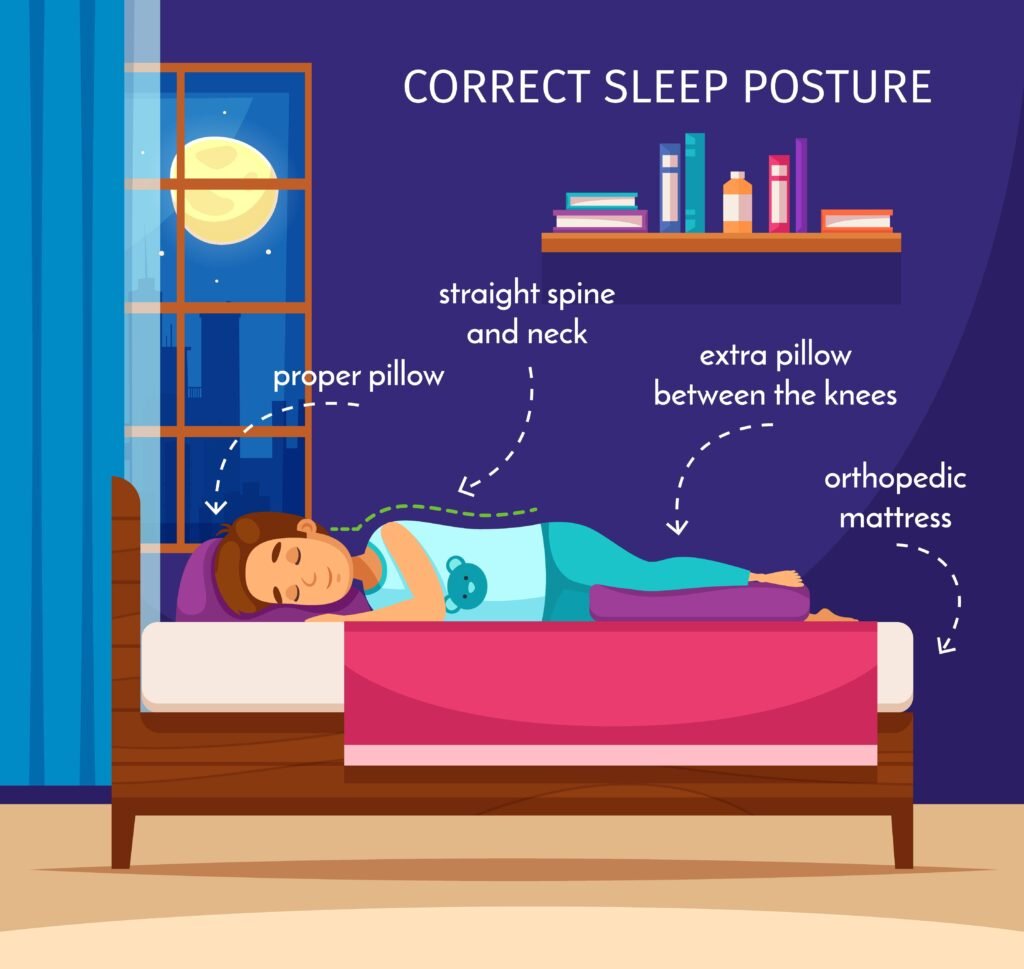
This is one of the most recommended sleeping positions for sciatica relief. Sleeping on the unaffected side tends to work best. A pillow between the knees keeps the hips aligned with the spine. This reduces pressure on the sciatic nerve and helps the lower back relax.
A body pillow works especially well here. It supports the entire length of the legs and prevents rolling during the night.
Back Sleeping With Elevated Knees
Lying on the back is another effective option. Back sleeping naturally distributes body weight more evenly across the spine. Placing a pillow under the knees while lying on your back maintains the natural curve of the lower back. This reduces strain on your lower back and the surrounding nerves.
Some people also find it helpful to place a small pillow or rolled towel under the lower back. This extra support further reduces pressure on your lower back.
The Fetal Position
The fetal position involves lying on one side with the knees gently drawn toward the chest. This position opens up the spaces between spinal vertebrae. It is especially helpful for people whose sciatica is caused by spinal stenosis. The fetal position gently decompresses the nerve pathway.
A pillow between the knees helps maintain alignment in this position, too. Many people prefer sleeping this way because it feels natural and comfortable.
What About Stomach Sleeping?
Stomach sleeping is generally not recommended for people with sciatica. It arches the lower back and puts direct pressure on the sciatic nerve.That said, some people prefer sleeping on their stomach and find it relieving.
If someone must sleep this way, placing a flat pillow under the pelvis can help reduce the arch. This question of whether stomach sleeping is safe comes up often in other contexts, too. For example, can you sleep on your stomach while pregnant is one of the most common sleep questions expectant mothers ask, and the positioning principles overlap meaningfully with sciatica management?
Supportive Tools That Help With Sleep Quality
The right tools can significantly improve sleep quality for sciatica sufferers. Starting with the mattress is important. A medium-firm mattress offers the best support for most people with sciatica. It keeps the spine aligned without creating painful pressure points.
Overly soft mattresses allow the hips to sink too deeply. This throws the spine out of alignment and increases nerve pain. Old mattresses also become a problem. If a mattress is over eight years old, it likely no longer provides adequate support. Sciatica-specific pillows and wedge pillows are also worth considering. They help maintain the correct sleep environment throughout the night.
Tips to Help You Sleep Better With Sciatica
Building a consistent pre-bed routine is one of the most effective tips to help you sleep through sciatic nerve pain.
Gentle Stretching Before Bed
Stretching before bed can help relieve sciatica pain significantly. The goal is to release tension in the glutes and lower back. The knee-to-chest stretch gently decompresses the lower back. The figure-4 stretch targets the piriformis muscle, which often irritates the sciatic nerve.
Spending one to two minutes on each stretch is enough. Doing this consistently each night helps relieve sciatic nerve pain over time.
Heat and Cold Therapy
Applying heat to the lower back before bed helps improve circulation. It also loosens tight muscles around the sciatic nerve. Cold therapy helps reduce pain and inflammation after active days. Alternating between the two can be very effective for managing pain.
Over-the-counter NSAIDs can also help reduce pain and inflammation before sleep. Always follow the recommended dosage guidelines.
Wind-Down Habits
Avoiding screens before bed supports the internal clock and improves sleep quality. Blue light from screens disrupts the body’s natural sleep rhythm.
Gentle meditation and slow breathing help calm the nervous system. This makes it easier to fall asleep despite ongoing nerve pain. Foam rolling the hips and lower back can also help relieve tension. This is a simple addition to any nighttime routine.
Daytime Habits for Managing Sciatica
Managing sciatica does not stop when the lights go out. Daytime habits have a major impact on how well someone sleeps at night.
Strengthening the Core and Glutes
Building core and glute strength helps stabilize the spine long-term. A stronger core reduces the pressure on the lower back and sciatic nerve. Simple exercises like bridges, bird dogs, and gentle planks are a great starting point. Consistency matters more than intensity here.
Posture and Daily Movement
Good posture throughout the day directly affects sciatic nerve pain at night. Poor posture compresses the lower back and sciatic nerve continuously. Avoiding heavy lifting or using proper technique when lifting also helps. Small daily habits build up to meaningful long-term relief.
Sciatica Treatment: When to Seek Professional Help
Home strategies work well for many people with sciatica. However, some situations call for professional sciatica treatment. If sciatica pain persists for more than a few weeks, a doctor should be consulted. Weakness in the legs or loss of bladder control requires immediate attention.
Physical therapy is one of the most effective treatments available. A therapist can tailor sleeping positions for sciatica relief based on the specific cause, whether disc-related or stenosis-related. Getting a restful night’s sleep with sciatica is genuinely achievable. It just takes the right combination of sleep position, support, and daily habits.
Final Thoughts on How to Sleep Better With Sciatica
Getting better sleep with sciatica starts with one small change. Trying a new sleep position tonight could make a noticeable difference by morning. Side sleeping with a pillow between the knees, back sleeping with elevated knees, or the fetal position all offer real relief from lower back pain.
Pairing the right sleep position with pre-bed stretches, the right mattress, and good daytime habits adds up to meaningful improvement. Anyone experiencing sciatica pain does not have to accept poor sleep as the norm. With the right approach, getting a good night’s sleep is absolutely within reach.
Frequently Asked Questions About Sleeping With Sciatica
Living with sciatica raises a lot of questions, especially when pain disrupts your sleep and daily comfort. Whether you’re trying to find the right sleep position, understand why your symptoms flare up at night, or explore long-term relief options, the answers below cut through the confusion and give you clear, practical guidance. From identifying the root causes of sciatic nerve pain to knowing what conditions mimic sciatica, this section covers the most common concerns so you can make informed decisions about your recovery and finally get the restful sleep your body needs.
How should I sleep with sciatica?
Sleep on your side with a pillow between your knees to reduce spinal pressure and keep your hips aligned. Avoid sleeping on your stomach, as it strains the lumbar spine and aggravates sciatic nerve irritation.
Why is sciatica worse at night in bed?
Lying flat reduces the natural spinal curvature, increasing pressure on the sciatic nerve, while daytime distractions fade and pain perception sharpens. Inflammation also peaks during rest, making nighttime discomfort more intense.
How to sleep with lower back pain and sciatica?
Sleep in the fetal position or on your back with a pillow under your knees to decompress the lumbar spine and relieve sciatic nerve pressure. A medium-firm mattress that supports spinal alignment is also essential for reducing overnight pain.
What sleep position is best for sciatica pain?
The best sleep position for sciatica is on your side with a pillow between your knees, which keeps the spine neutral and reduces nerve compression. Back sleeping with a pillow under the knees is a close second for evenly distributing spinal load.
Can sciatica be cured permanently?
Yes, sciatica can be permanently resolved in many cases, especially when the underlying cause. Such as a herniated disc or piriformis syndrome, is properly treated. Physical therapy, lifestyle changes, and in some cases surgery offer long-term, lasting relief.
How should I sleep if I have sciatic nerve pain?
Sleep on your non-painful side with a firm pillow between your knees to prevent hip rotation and reduce pressure on the irritated sciatic nerve. Maintaining a neutral spine from head to hip is the key principle for pain-free sleep positioning.
What is the root cause of sciatica?
The root cause of sciatica is compression or irritation of the sciatic nerve, most commonly from a herniated lumbar disc, bone spur, or spinal stenosis pressing on the nerve root. Less commonly, piriformis muscle tightness or spinal tumors can also trigger sciatic nerve inflammation.
What is mistaken for sciatica pain?
Conditions like piriformis syndrome, sacroiliac joint dysfunction, peripheral neuropathy, and hip bursitis are frequently mistaken for sciatica because they produce similar radiating leg or buttock pain. Accurate diagnosis through physical examination or imaging is essential to distinguish true sciatica from these mimics.
What is the fastest way to cure sciatica?
The fastest relief from sciatica typically comes from a combination of anti-inflammatory medication, targeted stretching, and physical therapy that directly addresses nerve compression. For severe or persistent cases, a corticosteroid injection can rapidly reduce inflammation and provide significant short-term relief.
Can massage help sciatica?
Yes, massage therapy, particularly deep tissue and trigger point techniques, can relieve sciatica by loosening tight muscles like the piriformis that compress the sciatic nerve. While massage doesn’t fix structural causes like a herniated disc, it effectively reduces muscle-driven nerve pressure and improves circulation.
What are the early warning signs of nerve damage?
Early warning signs of nerve damage include tingling, numbness, or a burning sensation in the legs, feet, or lower back that appears without obvious injury. Muscle weakness, sharp shooting pain, and loss of reflexes are more serious indicators that require prompt medical evaluation.

Brenna D Brenna is a content writer with a passion for turning complex topics into clear, engaging reads. She brings a thoughtful, research-driven approach to every article, helping readers find practical answers to their everyday questions.